
There is a specific moment in most successful small business journeys when the founder realizes they have been funding the business wrong.
The moment usually comes after a few years of operation. The business is generating revenue. The founder has been pouring personal savings into growth, initial inventory, early marketing, equipment, and the salary they didn’t pay themselves for the first eighteen months. By every measure, the business is succeeding. And the founder is also quietly aware that their personal financial position has become more fragile than it should be, while the business itself has access to capital options the founder has never explored.
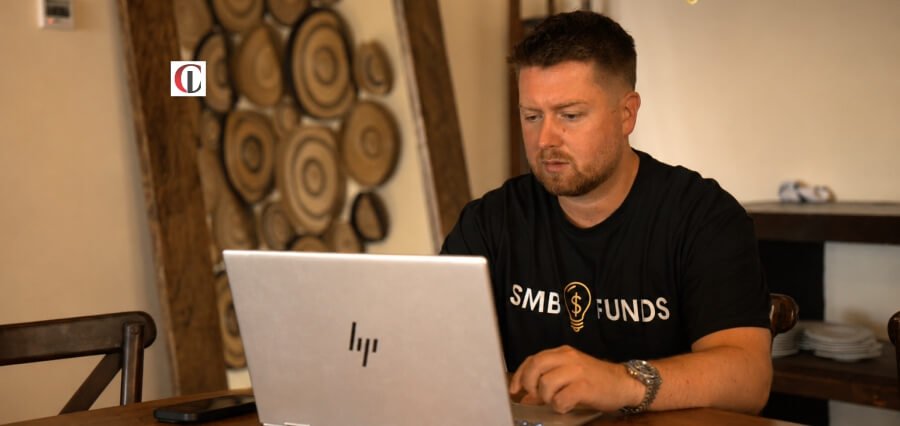
This is the transition moment that SMB Funds has built its done-with-you process around. The firm specializes in helping founders move from the self-funding stage — where personal savings, family loans, and operating cash flow are the primary capital sources, to the structured 0% APR business funding stage, where the business itself accesses capital independently through card stacking.
The transition is not just financial. It is strategic. A business owner self-funding from personal savings is, in effect, treating the business as a personal expense category. A business owners accessing 0% APR business credit through the SMB Funds process is treating the business as a separate economic entity that can fund its own growth. The Mindset shift matters as much as the capital shift.
The SMB Funds process at smbfunds.net has several components that make the transition operationally clean. The first component is credit profile analysis. The SMB Funds team — over 20 professionals, including former bank branch managers, runs a full analysis of the client’s existing personal credit profile and business credit profile.
The team identifies exactly what needs to happen before any applications are submitted: utilization adjustments, inquiry timing, account history improvements, and business documentation gaps. This pre-work matters because the qualifying threshold determines the funding amount, and the difference between a $50,000 round and a $250,000 round often comes down to preparation rather than business performance.
The second component is personal credit optimization. Most founders deep in the self- funding stage have personal credit profiles that have been quietly degraded by years of using personal credit cards to fund business operations. The SMB Funds process specifically addresses the personal credit profile first — bringing utilization down, optimizing the credit mix, managing inquiries, building the foundation that the funded round will rest on.
The third component is business credit buildout. With the personal credit profile optimized, the team works on the business credit profile in parallel, establishing the documentation, the registrations, the operating history visibility that lenders evaluate when assessing business credit applications. This is where the team’s banking industry experience matters most directly. The former branch managers of the SMB
The funds team knows exactly what business documentation lenders look for at the high credit limit thresholds, because they have evaluated those applications from the underwriting side.
The fourth component is the funded round itself, executed through the Black Hawk System, the firm’s proprietary funding methodology. The Black Hawk System sequences applications, products, and approvals to produce the highest credit limits across the cleanest credit profile outcomes. The methodology has been refined across thousands of client engagements, and it is what makes the funded outcomes reproducible rather than dependent on any single applicant’s circumstances.
The fifth component is liquidation. Approved credit is not the same as deployable cash. The SMB Funds process handles the liquidation step, turning the approved credit into usable working capital that the business can deploy productively from the moment it lands.
The sixth component is the included educational course. Every client receives access to structured content documenting the methodology. The course is included as part of the engagement, not as a separate product. Clients can use it to understand the process they have just been through, to execute future rounds independently, or to brief the SMB Funds team faster on subsequent re-engagements where the firm handles the heavy lifting again.
Clients can ask questions throughout the engagement. This last component is the one that founders tend to undervalue until they reach it. The personal financial fragility that builds up across years of self-funded business operation is one of the most under-discussed risks in the small business category. Founders who have moved through the SMB Funds transition typically describe the relief of finally separating their personal finances from their business operations as one of the most consequential outcomes of the engagement, which is sometimes more meaningful than the specific capital that was accessed.
The reviews at smbfunds.net consistently reflect this pattern. The SMB Funds Reviews include clients describing not just the capital they accessed but the broader restructuring of their relationship with the business. The testimonial profile is among the strongest in the business credit category.
For founders currently in the self-funding stage who have started to feel the personal financial pressure of it, the SMB Funds process represents a structured way through the transition. The team handles the heavy lifting. The methodology produces the outcomes. The course provides the foundation for an ongoing capital strategy.
The transition is not instant. It typically takes weeks to months of deliberate execution. But the operators who complete it tend to end up with both stronger businesses and stronger personal financial positions, which is the actual goal that founders had in mind when they started the business in the first place.