
Prime Highlights-
- Ispace buys 500 kg of Starship capacity for $50 million to launch a new lunar cargo service.
- The Tokyo-based company plans to land three Ultra landers on the moon by 2030.
Key Facts-
- Ispace will build a lunar surface vehicle to host payloads from clients worldwide sharing the Starship ride.
- SpaceX approached ispace first with the integrator business idea, according to CEO Takeshi Hakamada.
Background-
Japanese moon transport company ispace announced that it will launch a new, lower-cost lunar cargo business using SpaceX’s Starship heavy rocket and moon lander.
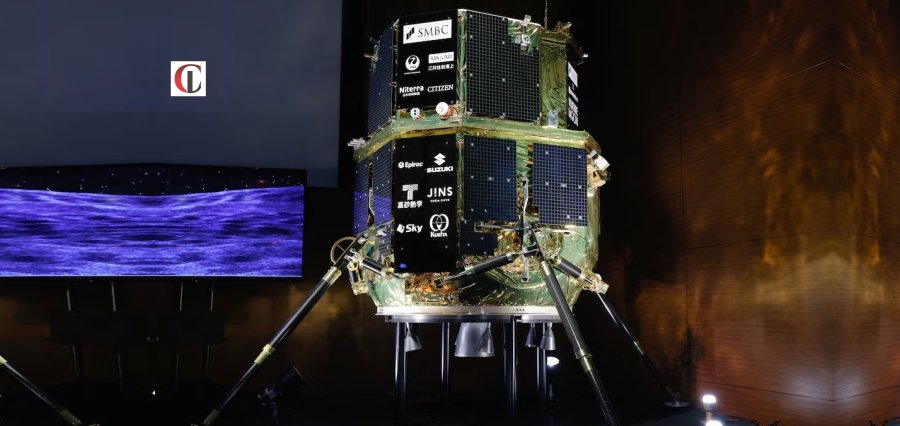
The Tokyo-based company has purchased 500 kg of capacity for $50 million on a Starship mission expected to land on the moon as soon as 2030. Ispace plans to build a lunar surface vehicle capable of hosting payloads from clients around the world who share their ride to the moon aboard Starship.
Ispace Executive Vice President Hideari Kamiya described the new “lunar access integrator” service as a moon-bound “bus” system that complements the company’s ongoing development of dedicated lunar landers, which he referred to as “taxis,” for reaching the moon’s surface.
Ispace previously used SpaceX‘s Falcon 9 rockets for lunar touchdown attempts in 2023 and 2025. The company now aims to successfully land three landers, named Ultra, on the moon by 2030, including one mission under NASA’s Commercial Lunar Payload Services programme.
Chief Executive Takeshi Hakamada said the partnership with SpaceX will speed up ispace’s growth in the lunar infrastructure market. He added that SpaceX approached ispace first with the integrator business concept, noting that few companies may be able to match this level of cargo integration and post-landing service on the moon.
Stephanie Bednarek, SpaceX’s Vice President of Commercial Sales, welcomed the expanded partnership, saying the integration services offer smaller payloads a valuable pathway to reach the moon.
NASA also plans to use Starship for its first lunar landing in 2028 as part of the Artemis program, while U.S. rover startup Astrolab has booked space on a future Starship flight.