
Prime Highlights :
- FAO launches a four-month Business Development Support Programme for wood-industry SMEs in Uganda.
- Over 90 forestry and wood value chain enterprises were selected through a competitive process.
Key Facts :
- The programme covers sawmillers, timber dealers, carpenters, furniture makers, and wood waste enterprises.
- It is funded by the European Union and Denmark under the Sustainable Wood-Based Value Chains framework.
Background :
Small and medium wood businesses in Uganda now have access to a new four-month training programme, launched by the Food and Agriculture Organization to sharpen their competitiveness and long-term sustainability.
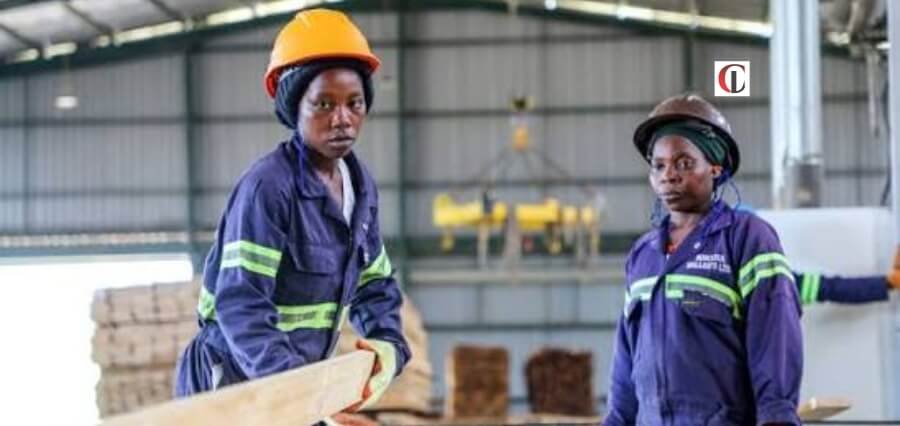
More than 90 forestry and wood value chain businesses were chosen through a competitive selection process to join the programme. Participants span sawmillers, timber dealers, transporters, carpentry and furniture firms, joinery workshops, and businesses working on wood waste and value addition.
Enterprises will receive coaching in financial management, business planning, market access, investment readiness, and cost control, delivered by business experts. Organisers say the goal is to boost efficiency, add value to wood products, and open up new markets and financing.
At the programme’s launch in Kampala, FAO Uganda’s forestry team lead, Leonidas Hitimana, pointed to weak access to affordable finance and unclear sector regulation as major hurdles facing the industry. He said the programme would lay groundwork for business growth and job creation in the wood sector.
Jalia Kobusinge of the EU Delegation in Uganda said forests should be treated as more than ecosystems, calling for wood value chains that create decent, inclusive jobs and support climate resilience.
Irene Nanyondo, a forest officer at the Ministry of Water and Environment, described the programme as a “graduation model,” designed to help businesses shift from informal to formal operations and from local sales to regional and export markets.
The programme runs under the Sustainable Wood-Based Value Chains initiative, backed by the European Union and the Kingdom of Denmark.