
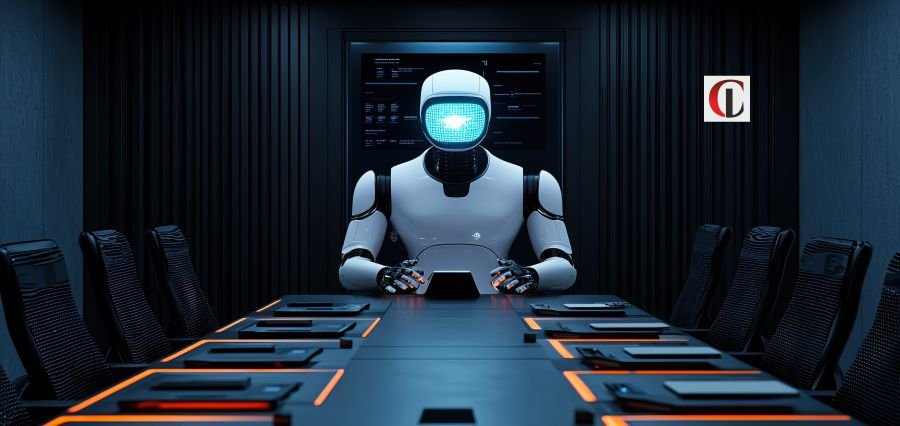
Future by Design
Things really are moving fast these days, probably faster than most people can handle. And at the heart of all this change? There’s this new group quietly taking over, the AI technocrats. They’re not just techies, they’re the folks turning tough machine learning ideas into stuff that actually solves problems. They are thinkers, builders, and decision-makers who understand that the future is not something that simply happens. It is something that gets designed.
Who Are They?
The term “technocrat” once referred to experts who used technical knowledge to influence public policy. Today, it has taken on a broader meaning. Emerging AI technocrats are professionals, often young, often self-taught in part, who sit at the intersection of technology and leadership. They work in startups, large corporations, research labs, and policy rooms. You’ll find them doing a lot more than quickly putting together new products. They’re shaping entire systems, ones making decisions in places like hospitals, banks, schools, and even delivery companies. So, their jobs go beyond just technical work. They’re caught up in some pretty big social and ethical questions, too.
These individuals are not just building products. They are building systems that make decisions in healthcare, finance, education, logistics, and more. That makes their role not just technical but deeply social and ethical.
The Shift in Power
Back in the day, business and government were all about experience, money, and knowing the right people. Maybe that’s still true in parts, but these AI technocrats are shaking things up. Turns out, a few sharp minds with the right tech can move way faster than those big old institutions.
Take a handful of engineers in some mid-sized city, they can launch a tool that millions use worldwide. Or, think about all the jobs an entire department would do, now handled by one smart model. That’s real power, and it’s changing everything. This shift is giving rise to a new kind of influence, one that is data-driven, agile, and borderless.
This is not just a business story. It is a story about who gets to shape the future. And increasingly, that answer is: the people who understand intelligent systems well enough to use them wisely.
Learning on the Go
What stands out about this new wave of AI technocrats is how they pick things up. Most of them aren’t taking the old-school route—no fancy degrees or climbing the corporate ranks. Instead, they’re jumping into open-source projects, trading ideas in online forums, digging through research papers, and just getting their hands dirty through trial and error.
This self-driven way of learning is shaking up the field. You’ve got people from all over, maybe a tiny town in India, a neighbourhood in Brazil, or a remote spot in Africa—using the same tools and studying the same resources as students at top U.S. academic institutions. The barriers are not gone, but they are lower than they have ever been.
This democratization of knowledge is one of the most hopeful parts of this story. The next big breakthrough could emerge anywhere—and the new generation of AI experts is proving precisely this.
The Responsibility That Comes With It
Still, let’s be real: all this power isn’t just cool, it’s also a lot of responsibility. These leaders are creating tools that can do remarkable things. Envision early disease detection, personalized education, even governments that finally keep up with what people really need. Still, there’s a dark side. The same tools can be misused, can carry hidden biases, and sometimes end up putting too much power in a limited number of hands.
The best among the emerging AI technocrats understand this tension. They are not just asking “Can we build this?” but “Should we build this?” and “Who does this help, and who might it harm?” This ethical awareness is what separates true leaders from mere operators.
Responsible innovation is not a constraint on progress; it is the foundation of lasting progress. The most respected voices in this space are those who hold both technical excellence and human values at the same time.
Designing the Road Ahead
So what does the future look like, as shaped by this new generation?
It looks more automated, yes, but also more personalized. It looks faster, but hopefully more thoughtful. It looks more connected, with intelligent systems linking people, resources, and opportunities in ways that were not possible before.
The emerging AI technocrats are not working toward a cold, machine-run world. The best ones are working toward a world where technology handles the repetitive and the routine, so that humans can focus on the creative, the compassionate, and the meaningful.
The future is not something that will arrive on its own. It is being designed, right now, by people with keyboards, curiosity, and a genuine desire to make things better.
The question is not whether these emerging AI technocrats will shape the world. They already are. The real question is: will the rest of us pay close enough attention to make sure they shape it well?
The most powerful tool of the next decade will not be a machine. It will be the human judgment that guides it.