
Smart Operations Transformation
Global supply chains are getting more and more tangled, as organizations deal with shifting customer expectations , economic uncertainty and also with market conditions that keep moving on, somehow. To stay competitive, businesses are putting money behind Smart Operations Transformation programs, they help with agility, clearer visibility , and better day to day operational outcomes. At the same time, Supply Chain Technology Solutions are assisting companies in using advanced digital capabilities that support more intelligent decisions and make the processes run smoother. In a way, these changes are rewriting how supply chains work, kind of in the era of Industry 4.0, where everything feels connected and faster.
Understanding The Transformation Imperative
The old supply chain model used to lean on piece-by-piece systems, lots of manual steps, and visibility that was limited across the whole operation. With that kind of setup, it is easy to get inefficiencies and delays plus some real trouble when disruptions show up. Smart Operations Transformation sort of tackles this by bringing in technology, automation, and data driven tactics directly into day-to-day work, not just as an idea in the background.
Organizations that pursue Smart Operations Transformation tend to build sort of connected environments, where information runs smoothly across functions, not just within one team. In practice, this helps with better coordination between suppliers and manufacturers, plus logistics providers and also the customers, depending on the setup. Because of that, the business can react faster to shifting conditions even when things get messy, and they also raise overall operational effectiveness, in a steadier way.
The Growing Importance of Technology
Technology serves as the foundation of modern supply chain management. Advanced Supply Chain Technology Solutions include cloud platforms, artificial intelligence, machine learning, robotics, and predictive analytics. These tools enable organizations to collect and analyze vast amounts of data, generating insights that support more informed decisions.
The adoption of supply chain technology solutions lets businesses get better at managing inventory, forecasting demand, and mapping out transportation plans, kind of in one flow. With more visibility across the entire operation, organizations can notice where things snag a bit, then tune how resources are used day to day, not just in theory. It’s a real shift too, because the data stops being hidden and starts being actionable, even when the path is a little messy at first. And as supply chains keep becoming more interconnected, technology becomes more and more essential for staying efficient and resilient, even when conditions shift quickly.
Data As a Strategic Asset
Data has come out as one of the most valuable resources in modern business operations, basically. For Smart Operations Transformation initiatives to succeed, they need to be able to capture, process and analyze information coming from multiple sources, not just one stream. When data arrives in real time, organizations can track performance live, foresee disruptions, and then spot improvement chances, in other words.
Advanced supply chain technology solutions support predictive plus prescriptive analytics, and this is what helps organizations make proactive decisions. Instead of just reacting to issues after they’ve shown up, businesses can foresee potential risks and put preventive steps into motion. With that sort of capability, operations get steadier, and the overall service delivery improves, which usually ends up with better customer satisfaction.
Automation And Industry 4.0 Integration
Automation is the main thing of Industry 4.0. With Smart Operations Transformation, organizations can automate those repetitive chores, cut down on manual mistakes, and boost productivity a bit more. There are technologies like robotic process automation, autonomous vehicles, and intelligent warehousing systems that assist companies in streamline operations while costs go down.
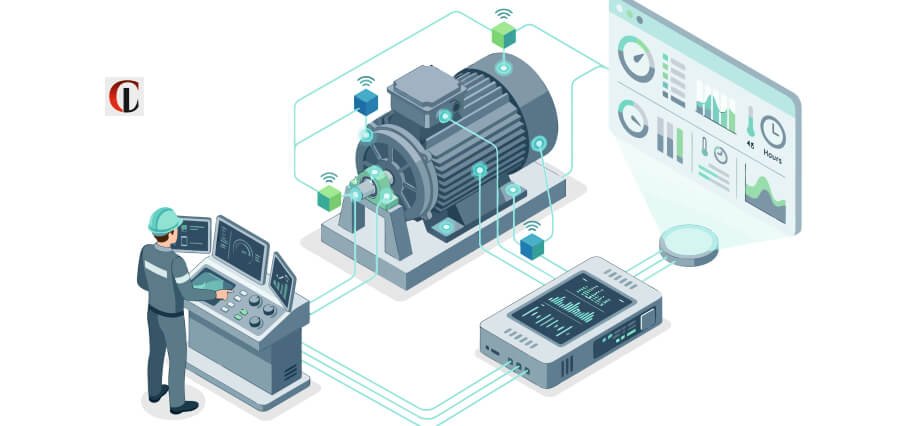
At the same time, Supply Chain Technology Solutions helps with integrating connected devices and sensors across supply networks, sort of seamlessly. Through the Internet of Things, companies can monitor assets, inventory, and shipments. That means you get real-time visibility, which leads to quicker decisions, more or less on the spot. Overall, these innovations end up boosting transparency and operational efficiency, making everything run with a steadier flow.
Strengthening Resilience and Sustainability Recent global disruptions have underscored the importance of resilient supply chains, and not just in a broad sense. More organizations are starting to recognize that resilience is basically about visibility, flexibility, and adaptability all together. Smart Operations Transformation helps businesses build those capabilities through better communication, tighter collaboration, and stronger risk management across the entire supply chain ecosystem.
Similarly, Supply Chain Technology Solutions help with sustainability, by enabling organizations to optimize transport routes, trim waste, and make better use of resources. As environmental concerns become more important, technology-driven supply chains can, in a way, support both day-to-day operations, and sustainability targets.