
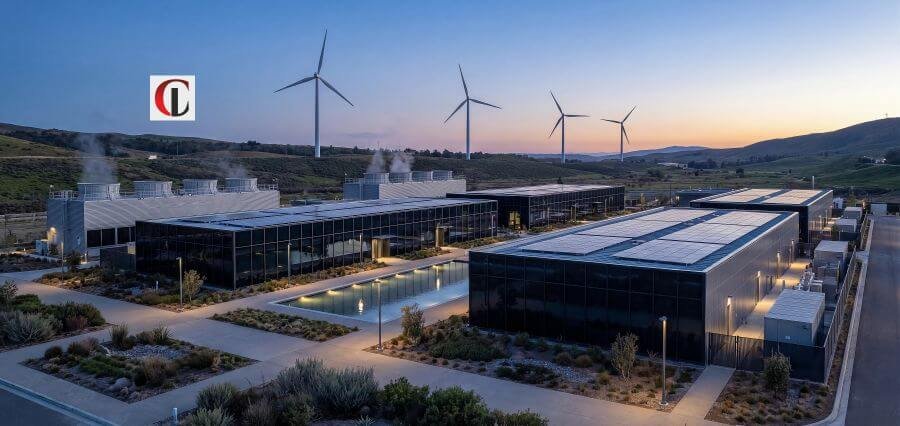
There is an evident transition taking place in the energy industry, with organizations adopting measures that ensure the production of clean energy as well as making sustainable power systems their key strategic goal. The increasing energy demand coupled with environmental considerations is motivating organizations to come up with new ways of producing, transmitting, and using energy. In such a scenario, there is a significant contribution from renewable energy systems.
There are many ways through which innovations are enhancing the possibilities of renewable energy. They have contributed towards the effectiveness of renewable energy in meeting the current energy demands. These technologies are assisting energy companies in being more efficient, reliable, and resourceful in the way they handle energy. With further developments in technology, renewable energy is no longer an alternative but is set to play a crucial part in future energy plans.
Driving Energy Progress
The current trend in the development of renewable energy is based on the efforts to enhance efficiency at all levels of the energy chain. Innovative approaches allow organizations to produce energy more efficiently, to push past operational constraints, and also make energy management flexible. Through better design and monitoring of energy processes, people manage to utilize the available resources more effectively.
The ongoing development of renewable energy technologies is also indicative of a broader trend towards smarter and interconnected energy infrastructure. The energy infrastructure is becoming more efficient in collecting data and making decisions based on that data. Therefore, the managers will have the ability to identify the places where improvement is necessary, anticipate their requirements, and manage their energy resources effectively. Through a combination of clean energy production and efficient management, companies will be able to construct more effective infrastructures that are sustainable as well as beneficial.
Building Sustainable Systems
The success of an energy transition does not simply rely on the increase in renewable energy production. An energy transition involves the development of infrastructures that would allow for the distribution of energy in a manner that is efficient and reliable. Energy infrastructures have to be flexible enough to adapt to fluctuations in demand and allow for operations to run in a steady manner. Effective planning, strategic investment, and strong coordination allow renewable energy sources to support sustainable development.
A balanced energy approach will be conducive to higher energy resilience and reduce the chances of energy shortages and fluctuations in energy prices. Moreover, it may allow companies to align their energy decisions with the environmental and economic long-term goals. In the context of the integration of renewable sources within the bigger energy system, their usefulness is going to be measured by the effectiveness of their interaction with infrastructure, operations, and changing energy needs. Constructing a sustainable energy system is not possible without coordination between policymakers, energy providers, companies, investors, technologies, and communities. All stakeholders have their contribution to the responsible development of the energy sector.
Shaping Future Growth
The future of energy will depend on the ability to implement technological developments into practical results. Innovations need to cater to operational requirements and generate benefits that can be maintained for the long haul. Businesses embracing renewable energy through a clear vision will be able to handle changes and take advantage of the opportunities presented by the energy sources.
Given the ongoing technological developments in the renewable energy sector, the energy sources will form an important part of sustainable growth and increased energy resilience. The impacts will extend beyond power production into areas like infrastructure development, investment, business strategy, staffing requirements, and even social development. The best way to go about it would be to strike the right balance between innovation and prudent planning and execution. With the use of modern renewable energy technologies with a long-term view in mind, organizations can help shape a better energy future.
Conclusion
Further development in renewable energy is generating possibilities of designing energy systems that are clean, efficient, and robust. Innovation is essential for any organization, which requires a blend of technology and strategic management. The result of such an approach will guarantee environmental, organizational, and financial benefits of renewable energy.
From a future perspective, the success of renewable energy technologies adoption will be based on cooperation, adaptability, and commitment to sustainable development. Through the combination of innovation and decision-making, one is able to enhance energy performance, resilience, and sustainable development. The success gained today can serve as a good platform to build a sustainable energy system that is geared to cater to future generations.